How to Prepare for Your Pre-Drywall Inspection
By: BRADLEY GOODSON • November 6, 2025
Building a new home in Charleston or the surrounding Lowcountry areas is an exciting process. One of the most important (and often overlooked) steps in that journey is the pre-drywall inspection.
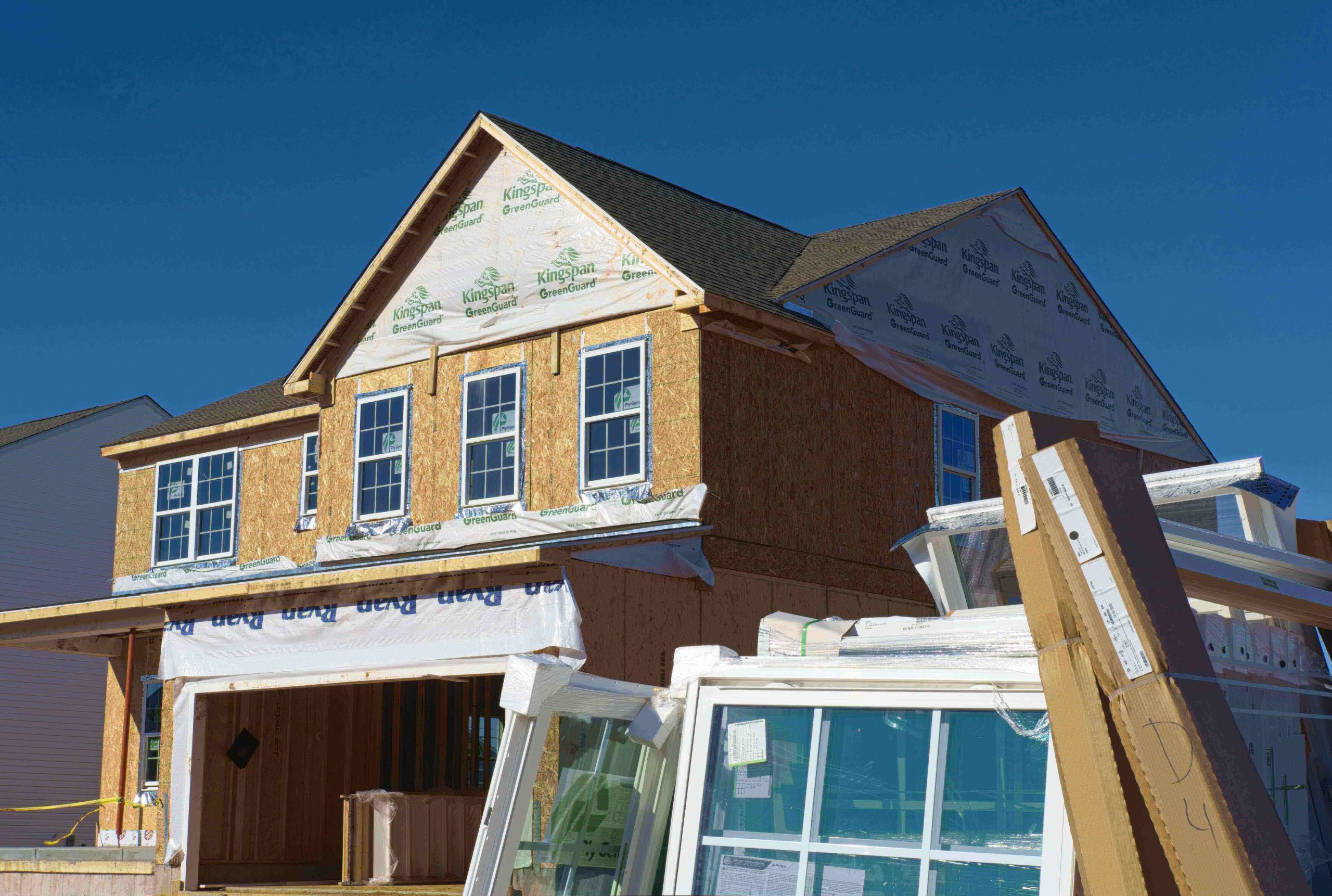
This inspection takes place after framing and rough-in systems are installed—but before the drywall goes up—offering a unique opportunity to evaluate key structural and mechanical components that will soon be hidden from view. Identifying issues at this stage can prevent costly repairs and headaches down the road once your walls are sealed.
At HouseScan Inspections Charleston, we perform detailed pre-drywall inspections throughout Charleston, Mount Pleasant, Summerville, Goose Creek, and nearby areas, helping homeowners feel confident that their new construction is being built the right way.
What Should Be Complete Before Your Pre-Drywall Inspection
To ensure your home inspector can perform a comprehensive and effective evaluation, the following systems and stages should ideally be complete:
Framing
The home’s framing should be fully complete and ready for inspection. This includes the structure, roof trusses, and any framing around windows and doors.
Rough-In Plumbing and Electrical
All wiring, receptacles, switches, light boxes, and plumbing lines should be installed (roughed in/out), but not yet covered by insulation, drywall, or finish materials.
HVAC Ductwork
The HVAC system’s ductwork should be fully plumbed and installed so airflow layout, insulation, and duct placement can be properly evaluated.
Roofing System
Your home should be fully “dried in.” This means the roofing system is complete, and windows, doors, and other exterior materials are installed—protecting the structure from rain, humidity, and weather exposure common in the Charleston climate.
No Wall Insulation Yet
Wall insulation should not be installed prior to your inspection. Once insulation is in place, visibility of the framing, wiring, plumbing, and ductwork is significantly reduced—limiting what can be inspected.
Why Proper Timing Matters
If some of these systems are incomplete, your inspector’s ability to perform a full and thorough evaluation will be limited. Missing HVAC ducts or unfinished electrical work means critical portions of the home’s systems can’t be reviewed.
Likewise, if insulation is installed too early, it can block visibility to framing and utility components—reducing the effectiveness and value of your inspection.
In short, scheduling your pre-drywall inspection too early or too late could mean missing out on important insights that protect your investment and ensure your builder meets quality standards.
Communicate With Your Builder
The best way to ensure your pre-drywall inspection goes smoothly is to coordinate closely with your builder. Ask for a clear construction timeline and confirm when all rough-in work will be complete.
At HouseScan Inspections Charleston, we’re happy to work directly with your builder or construction manager to make sure your inspection is scheduled at the optimal time—after major systems are in place but before insulation and drywall installation.
Because construction schedules can shift, our team understands that flexibility is key. We’ll work with you to adjust inspection dates as needed to ensure nothing gets missed.
The Bottom Line
Your pre-drywall inspection is one of the most valuable steps in the new construction process. By doing your research, communicating with your builder, and scheduling your inspection at the right time, you’ll get the most out of your investment.
At HouseScan Inspections Charleston, we specialize in detailed, technology-driven inspections that help homebuyers catch issues early and ensure their new home is built to last.
If you’re building a home in Charleston, Mount Pleasant, Summerville, Goose Creek, or surrounding areas, schedule your pre-drywall inspection today with HouseScan Inspections.
Contact Us
Visit HouseScanCHS.com or call us to book your inspection and get peace of mind before your walls go up.